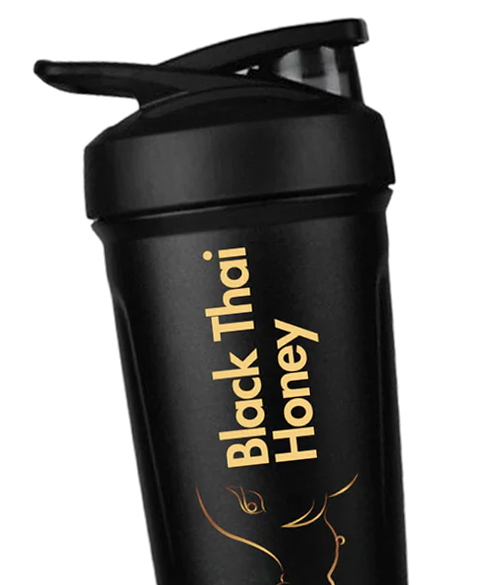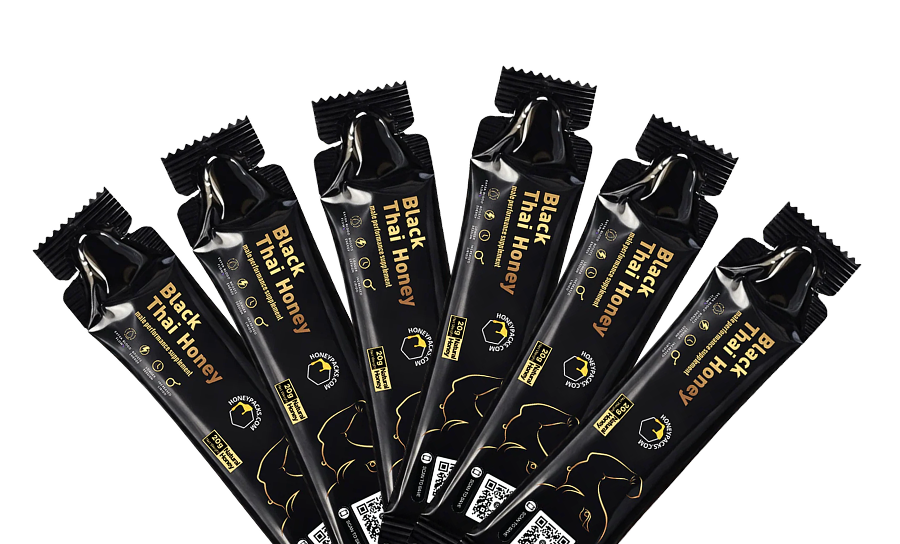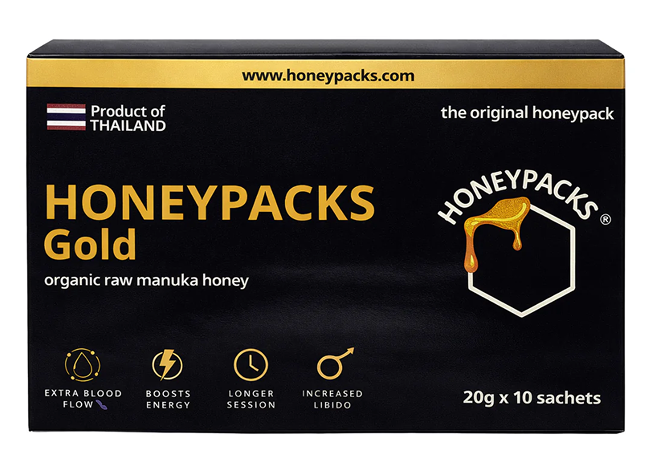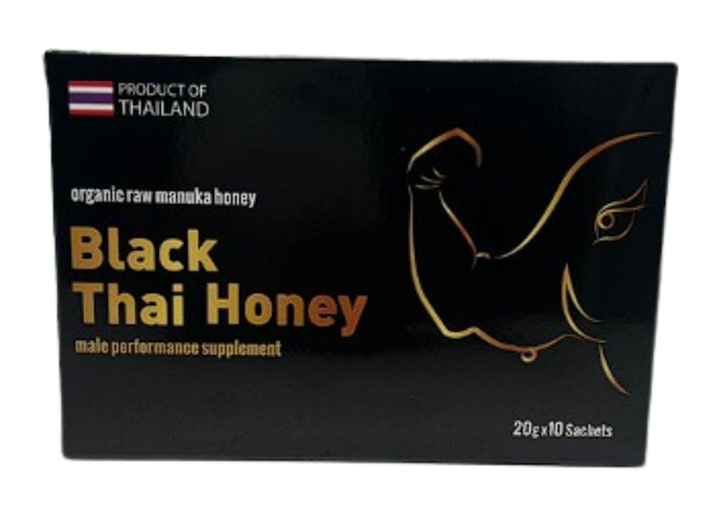
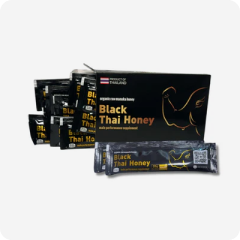
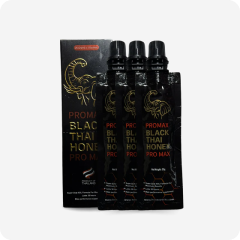
Most people have had this moment: digging through a desk drawer, a gym bag, or the glove compartment of a car and finding a honey pack that has clearly been sitting there for a while. Maybe a long while. The first instinct is to check the date printed on the packet. The second instinct is to wonder whether honey even goes bad at all.
It is a fair question, and it comes up constantly among customers who buy in bulk from honeypacks. The short answer is reassuring: honey packs last a remarkably long time, often years beyond what people expect. The longer answer is more interesting, because the real shelf life of a honey pack depends on the honey itself, the material it is sealed in, and where it spends its time waiting to be used.
This article walks through all of it: realistic shelf life numbers, why honey resists spoilage so well, what actually ruins a honey pack, and how to store a stash so it stays good for years.
So, How Long Do Honey Packs Actually Last?
A sealed honey pack stored in reasonable conditions will stay fresh for two to five years, and in many cases much longer. That is not marketing talk. Honey is one of the most shelf-stable foods in existence.
There is a famous fact that gets repeated often because it happens to be true: archaeologists excavating ancient Egyptian tombs have found pots of honey that were over 3,000 years old, and the honey was still preserved. Nobody is suggesting anyone eat 3,000-year-old honey, but it makes the point. Honey does not spoil the way milk, bread, or fruit does.
The catch, and it is a small one, is the packaging. A glass jar with a tight lid is nearly a perfect container. A single-serve honey pack is made from flexible plastic film or foil laminate, and over very long periods, tiny amounts of air can move through that material. The honey stays safe, but its flavor can slowly flatten, and its texture can change.
That is why most manufacturers print a best-by date around two years from production. Two years is the window where the honey tastes exactly the way it should. Past that date, it does not suddenly go bad. It just starts to age.
Why Honey Barely Ever Spoils
Honey’s staying power is not luck. It comes down to chemistry, and understanding it makes all the storage advice later in this article easier to follow.
1. There Is Almost No Water in It
Honey contains only about 17 to 18 percent water. Bacteria and mold need moisture to grow, and honey simply does not give them enough. A microbe that lands in honey does not multiply. It shrivels.
2. It Is Naturally Acidic
With a pH somewhere between 3.2 and 4.5, honey sits in roughly the same acidity range as orange juice or vinegar. Most harmful bacteria cannot thrive in that environment.
3. Bees Built In an Antibacterial System
During honey production, bees add an enzyme called glucose oxidase to the nectar. When that enzyme meets moisture, it produces small amounts of hydrogen peroxide. This is part of the reason honey has been used on wounds for centuries, and part of the reason a sealed pack can sit in a pantry for years without anything growing in it.
4. Sugar Does the Rest
Honey is about 80 percent sugar. At that concentration, honey actually pulls water out of any microorganism unlucky enough to land in it. The technical term is low water activity, but the practical meaning is simple: honey preserves itself.
What Actually Shortens a Honey Pack’s Life
Honey is tough, but it is not invincible. A handful of real-world factors determine whether a pack stays pristine for five years or loses quality in one.
1. Heat Is the Biggest Enemy
A honey pack left on a sunny windowsill or forgotten in a hot car will age fast. Sustained temperatures above 90 degrees Fahrenheit break down the enzymes and aromatic compounds that give honey its flavor. The honey will still be safe, but it will taste dull and flat, and it will darken noticeably.
This is worth remembering for anyone who keeps honey packs in a car for road trips or in a garage during summer. The convenience is tempting, but the quality cost is real.
2. Moisture Is the Only Real Spoilage Risk
Honey absorbs moisture from the air around it. In an intact, sealed pack, this is not a problem. But if a pack gets punctured, torn, or has a weak seam, humidity creeps in. Once the water content climbs above roughly 20 percent, the natural yeasts present in honey wake up and start fermenting it. Fermented honey smells sour and slightly alcoholic, and it is the one scenario where a honey pack genuinely needs to go in the trash.
3. Cold Does Not Ruin Honey, It Just Makes It Crunchy
Storing honey packs somewhere cold, like an unheated garage in winter, does no harm to safety. What it does is speed up crystallization, which changes the texture. More on that in a moment, because crystallization causes more unnecessary panic than any other honey issue.
4. The Type of Honey Matters a Little
Raw, unfiltered honey crystallizes faster than heavily processed honey because the pollen and fine particles in raw honey give crystals something to form around. Some honey lovers see quick crystallization as a sign of quality. Either way, it is a texture difference, not a safety one.
5. The Pack Material Plays a Role
Foil-lined packs block air and light better than thin plastic ones. For anyone planning to store honey packs for several years, packaging quality is worth paying attention to, as tightly sealed containers help maintain low moisture.
The Expiration Date Is Not What Most People Think
Here is where a lot of perfectly good honey gets thrown away for no reason.
The date on a honey pack is a “best by” date, not an expiration date. Those are different things. An expiration date signals safety, but honey can last well beyond that date if stored properly. A best-by date signals quality. The manufacturer promises that the honey will taste its best before that day, not a warning that you can’t use honey packs after or that it becomes unsafe after it.
A honey pack six months or a year past its best-by date is almost always fine. What someone might notice with an older pack:
- Darker color. Honey slowly darkens with age, especially if stored warm.
- Milder flavor. The delicate floral notes fade first.
- Cloudiness or graininess. Crystallization in progress.
None of these mean the honey has gone bad. They mean the honey has gotten older, the same way an aged cheese is different from a fresh one.
How to Tell If a Honey Pack Has Actually Gone Bad
True spoilage is rare, but it is also easy to spot. Honey does not quietly become dangerous. When it goes bad, it announces itself:
- A sour, fermented, or alcohol-like smell when the pack is opened
- Bubbles or foam visible inside the honey
- A swollen, puffy, or bulging pack, caused by fermentation gas
- A sour taste can indicate that honey may have a high moisture content.
Any one of these means the pack should be discarded. On the flip side, if a honey pack smells like honey and tastes like honey, it is honey, regardless of what the date says.
Crystallization: The Most Misunderstood Thing About Honey
If there is one section of this article worth remembering, it is this one.
Crystallized honey has been thrown away by countless people who assumed it had spoiled. It has not. Crystallization is a completely natural process where glucose separates from the water in honey and forms crystals. It happens to nearly all real honey eventually. Some varieties, like clover, crystallize within months. Others, like acacia, stay liquid for years.
Fixing it takes about five minutes. Drop the pack into a bowl of warm water and let it sit. The crystals dissolve, and the honey returns to its smooth, pourable state. Two cautions: the water should be warm, not boiling, since high heat damages the enzymes that make raw honey special. And skip the microwave. It heats unevenly, can warp or melt the packaging, and creates scorching hot spots inside the honey.
Some people never bother fixing it. Crystallized honey spreads beautifully on toast and melts fine into hot tea. A few honey companies sell intentionally crystallized “creamed honey” at a premium, which says a lot about how harmless the process is.
How to Store Honey Packs So They Last for Years
Good storage is not complicated. It comes down to a handful of habits:
- Pick a cool, dark spot. A pantry, cupboard, or drawer is ideal. Keep packs away from windows, stoves, and heaters.
- Keep the temperature steady. Big swings between hot and cold accelerate both flavor loss and crystallization.
- Skip the refrigerator. It does nothing for shelf life and practically guarantees crystallized honey.
- Protect the packs. Storing them in a sealed bin or container prevents punctures from sharp objects and keeps the stash organized.
- Use the oldest packs first. A simple rotation habit means nothing sits forgotten long enough to lose quality, ensuring that honey does not expire.
- Inspect occasionally. Toss any pack that is torn, leaking, or puffy.
Follow those six points and a bulk order of honey packs will comfortably outlast its best-by date with quality to spare.
A Quick Word on Flavored and Infused Honey Packs
Plain honey is nearly immortal. Honey blended with other ingredients is a slightly different story. Fruit-infused honey contains extra moisture from the fruit. Herbal and botanical blends can contain plant oils that change over time. These packs are still shelf-stable, but they deserve more respect for the printed date, both for flavor and for the potency of whatever they are infused with.
The rule of thumb: the more ingredients beyond pure honey, the more the best-by date actually matters.
The Bottom Line
Honey packs last a long time. A sealed pack kept in a cool, dark, dry place will stay good for two to five years, and the honey inside often remains perfectly safe well beyond that. The date on the package is about peak flavor, not safety. Crystallization, darkening, and cloudiness are signs of age, not spoilage, and crystallization can be reversed with nothing more than warm water.
The only things that genuinely ruin a honey pack are moisture getting inside, damaged packaging, and prolonged heat. Avoid those three, and a stash of honey packs becomes one of the most low-maintenance items in any pantry, gym bag, or travel kit.
Frequently Asked Questions
1. Why did the honey in the pack turn solid or gritty?
That is crystallization, a natural process where glucose forms crystals. It happens faster in raw honey and in cool storage. It is harmless, and placing the pack in a bowl of warm water for a few minutes will return the honey to liquid form.
2. Should honey packs be kept in the fridge to make them last longer?
This seems logical, but it backfires. The refrigerator does nothing to extend honey’s life because honey barely spoils in the first place. What the cold does do is speed up crystallization, which means gritty honey much sooner. A pantry or cupboard at normal room temperature is the better home for honey packs every time.
3. How can someone tell when a honey pack has genuinely gone bad?
The good news is that bad honey is not subtle. There is no guessing involved. A spoiled pack will smell sour or slightly alcoholic, may have bubbles or foam inside, and the packaging sometimes puffs up from fermentation gas. Any of those signs means it belongs in the trash. But if the pack smells sweet and tastes sweet, it is good to go.
4. Do flavored or infused honey packs last as long as regular ones?
Not quite. Plain honey is nearly indestructible, but once fruit, herbs, or botanicals get blended in, the rules change a bit. Those extra ingredients bring moisture or oils along with them, which shortens the window of peak quality. Flavored packs are still shelf-stable, but the best-by date on them carries more weight, so it is worth paying attention to rather than ignoring.