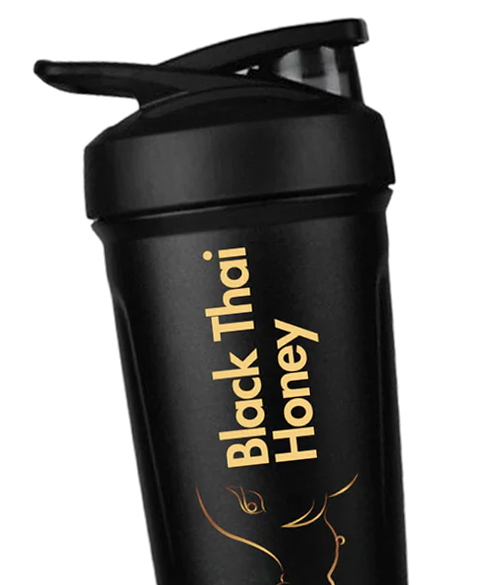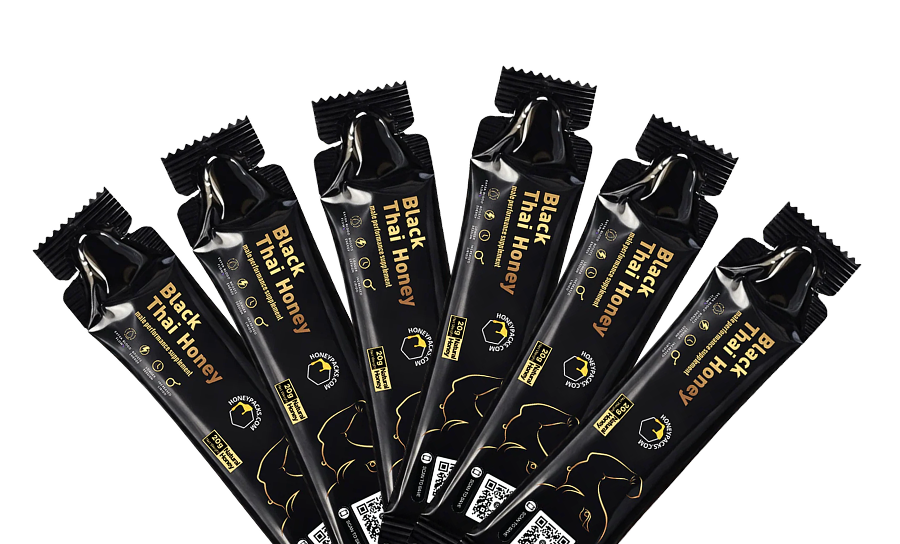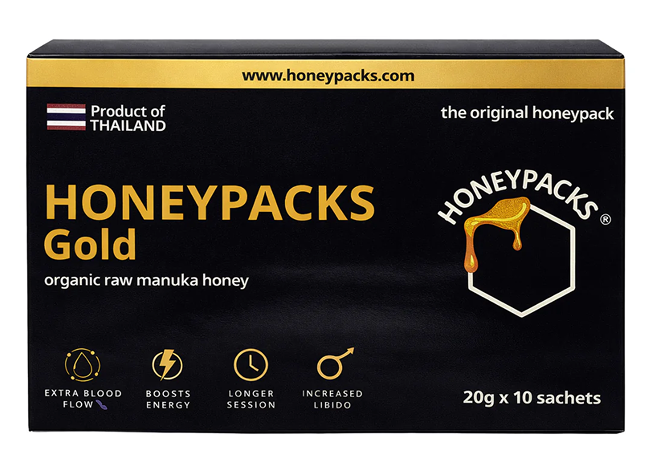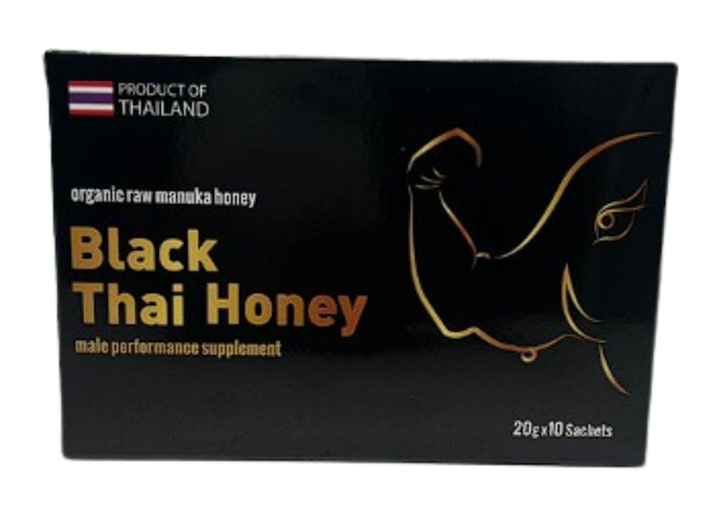
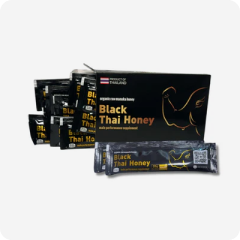
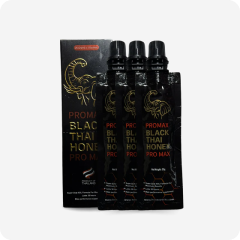
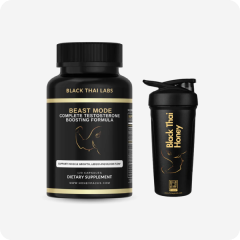
Scroll through social media for a few minutes, and the honey pack trend is hard to miss. Creators film themselves tearing open a golden sachet before the gym or before a date, and the comment sections fill with questions about where to buy them and whether they actually work. Behind the hype, though, sits a question that matters more than most buyers realize: what is actually inside these pouches?
Some honey packs are exactly what they appear to be, simple natural products made from real honey and herbs. Others have tested positive for hidden prescription drugs, artificial fillers, and ingredients that never appear on the label. The difference between the two is not obvious from the packaging, which is why understanding what separates a natural honey pack from a synthetic or adulterated one has become a genuine health issue rather than a simple shopping decision.
What Are Honey Packs?
At its simplest, a honey pack is a small sachet containing honey, usually somewhere between 10 and 20 grams in a single serving. The appeal is convenience. There is no jar, no spoon, and no sticky lid. A person tears the corner off the packet and squeezes the honey straight into their mouth, whether they are heading into a workout or getting ready for a night out.
Most honey packets on the market fall into one of three groups. The first is pure honey, often raw and unfiltered, with nothing added at all. The second is infused honey, blended with botanicals like ginseng, black seed, cinnamon, or royal jelly. The third group is where things get complicated. These are functional honey products, formulated with extra compounds and frequently marketed for energy, libido, or sexual health.
That third category drives most of the conversation around honey packs, and most of the controversy too. Many honey packs claim to enhance male sexual performance, boost stamina, and improve confidence in the bedroom. Products sold under names like royal honey and royal honey vip dominate this space. Some are legitimate herbal blends. Others, as regulators have discovered, contain something their labels never mention.
Are Honey Packs Natural or Synthetic?
The honest answer is both, and the distance between the two ends of the market is enormous.
On the natural end, a honey pack might contain nothing more than raw honey and a few whole food additions. Raw honey is never heated past hive temperatures or heavily filtered, so it keeps its pollen, enzymes, and antioxidants. Blend that with real herbs and the result is about as close to nature as a packaged product can get.
On the synthetic end, the picture gets uncomfortable. The Food and Drug Administration has published a public notification naming specific honey products that contained hidden drug ingredients. In one well-known case, the FDA found that royal honey vip contains hidden drug compounds, specifically tadalafil, the active ingredient in Cialis.
Other honey-based products have tested positive for sildenafil, the active ingredient in Viagra. Think about that for a moment. A buyer picks up what looks like a flavored honey sachet and unknowingly consumes a prescription-strength erectile dysfunction drug.
Between these two extremes sits a middle ground of products made with processed honey, corn syrup fillers, artificial flavors, and lab-made caffeine. These are legal, and they are not necessarily dangerous, but calling them natural would be a stretch.
Common Ingredients in Honey Packs
The ingredients found in honey packs vary wildly depending on the brand and the price point, so it helps to know what typically shows up.
In genuinely natural products, honey sits at the top of the list, sometimes as the only ingredient. When extras appear, they tend to be recognizable foods and plants: royal jelly, bee pollen, ginseng, tongkat ali, maca root. Nothing on the label requires a chemistry degree to pronounce.
Cheaper products tell a different story. Manufacturers often stretch the honey with glucose syrup or high fructose corn syrup, so the product may technically contain honey while delivering mostly inexpensive sugar. Artificial flavors, colors, and preservatives round out these formulas.
Then there is the category that worries regulators most. Some honey products contain potentially harmful hidden ingredients that never appear on the label at all. FDA laboratory testing has confirmed undeclared ingredients, including sildenafil and tadalafil, in multiple products sold as dietary supplements.
In certain cases, the vip contains hidden drug ingredient amounts comparable to a full prescription dose. This happens partly because honey packs are supplements under federal rules, or at least marketed that way, and products marketed as dietary supplements do not need approval before hitting shelves. Oversight arrives only after complaints or lab tests expose a problem.
Natural vs. Synthetic Ingredients
Separating the clean products from the questionable ones comes down to a handful of practical markers.
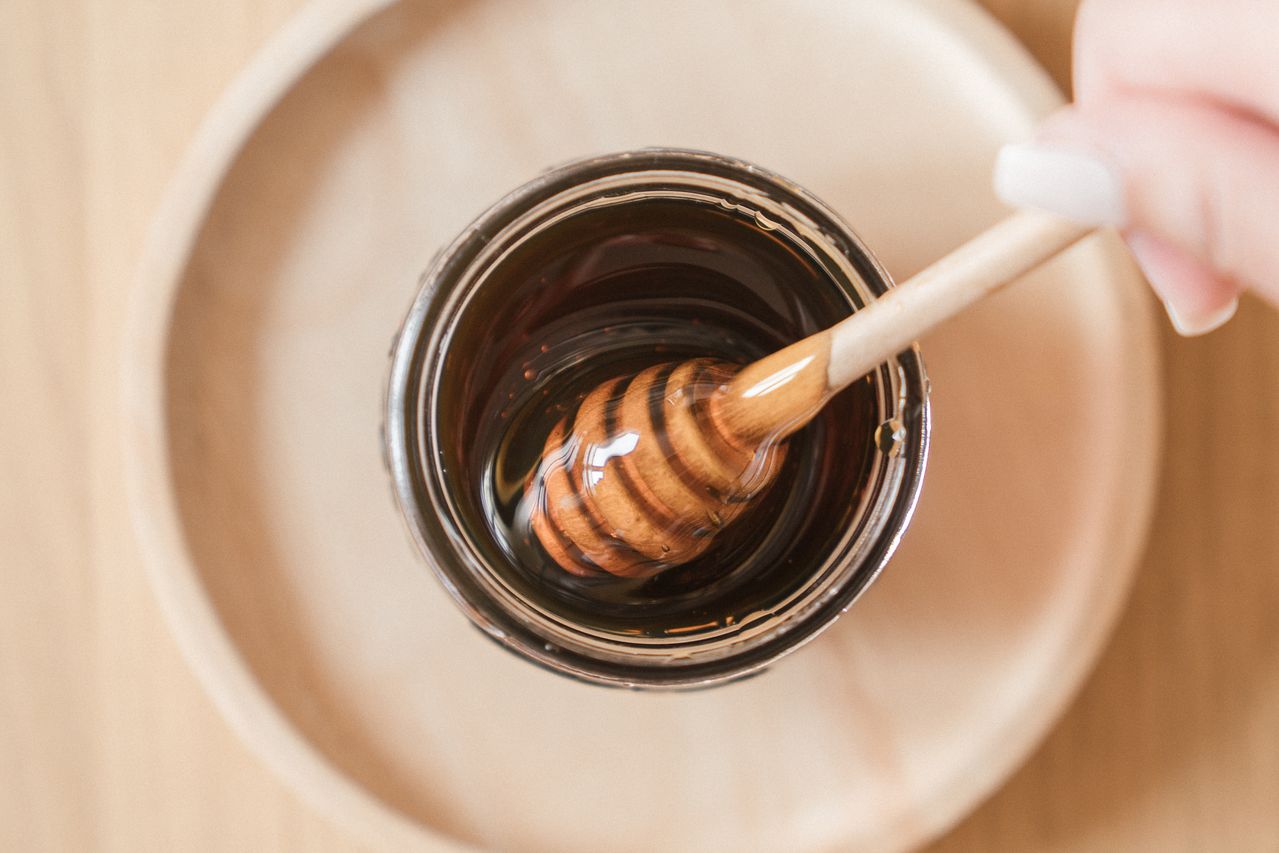
A natural honey pack usually shows its quality in simple ways. Honey appears first on the label, ideally described as raw or unfiltered. Any additions are named plainly, the way ingredients would appear in a home recipe. The honey itself may crystallize over time, which many buyers mistake for spoilage but is actually a sign of minimal processing. Color and flavor can shift slightly from batch to batch because real honey reflects whatever flowers the bees visited.
Synthetic or adulterated products tend to show different patterns. The ingredient list runs long and leans on chemical names, artificial flavors, or vague proprietary blends that hide exact quantities. The texture stays perfectly uniform and never crystallizes. Most telling of all, the marketing promises drug-like speed. When a honey sachet claims to deliver results in minutes, skepticism is warranted.
There is a deeper issue here as well. Even in products where natural herbs are listed on the label, there is often little evidence that the listed ingredients can produce the dramatic effects being advertised. When a honey blend actually delivers results that feel like a prescription pill, the most likely explanation is not an unusually powerful herb. It is a hidden drug.
Why the Ingredients Matter
This is where the conversation shifts from product quality to personal safety, and it deserves straight talk.
Sildenafil and tadalafil dilate blood vessels. That is exactly how they work as an erectile dysfunction drug, and it is also what makes them risky when taken unknowingly. Nitrates, a class of prescription drugs often prescribed for heart disease or chest pain, work through a similar pathway. Combine the two and the result can be a dangerous drop in blood pressure. A man managing heart disease who takes nitrates daily has no reason to suspect that a honey sachet could trigger a medical emergency, yet that is precisely the scenario regulators worry about.
The concerns extend beyond nitrate users. Hidden tadalafil can also be risky for men with high blood pressure, liver or kidney disease, or other cardiovascular issues. Tadalafil can also be risky simply because of how long it stays active in the body, sometimes up to 36 hours.
Someone who does not know they consumed it cannot plan around it. Reported reactions include headaches, flushing, vision changes, and, in severe cases, a dangerous drop in blood pressure that sends people to the emergency room. Regulators treat this pattern as health fraud, and the undeclared nature of the ingredients is what elevates it from misleading to potentially dangerous.
Dosage creates another layer of risk. Someone who enjoys the effects might take too much by having two honey packs in one evening, unknowingly doubling a pharmaceutical dose they never agreed to take. Anyone who experiences chest pain, dizziness, or vision changes after using one of these products should seek immediate medical attention and mention the honey pack specifically.
How to Check What’s in a Honey Pack
None of this means consumers need to avoid the category entirely. People who want to try honey packs can protect themselves with a few grounded habits.
Start with the label. Honey should come first, and the ingredients listed should be short and familiar. Proprietary blends that conceal quantities deserve a second look, especially in products making bold promises.
Next, check the FDA’s records. The agency maintains a public notification database covering tainted supplements, and a quick search reveals whether a brand has ever been flagged for undeclared drug content. It takes two minutes and can prevent a serious problem.
It also pays to look at the seller. Established retailers with transparent sourcing, published testing, and real customer service are a safer bet than anonymous marketplace listings with stock photos and no contact information. The team at honeypacks, for example, emphasizes clear ingredient information so buyers know exactly what is in each sachet before they order.
Realistic expectations matter too. Honey is a nutritious food, not a medicine. Products that claim to enhance male sexual performance instantly are either exaggerating or hiding something.
Finally, medical guidance is worth seeking before experimenting with anything in the sexual enhancement category. Anyone with concerns about their sexual health, or anyone managing high blood pressure, low blood pressure, or heart disease, should speak with a doctor first.
Health care professionals can spot potential drug interactions and suggest options that fit a person’s actual health picture. For men, safe use starts with honest information, not marketing copy. It is also worth remembering that ongoing trouble with erection quality or libido can point to underlying conditions that deserve real treatment. A doctor’s visit accomplishes more than any supplement can.
Final Take
So, are honey packs natural or synthetic? Both exist, and they sit side by side in the same stores and search results. A well-made honey pack built on raw honey and real botanicals is a genuinely natural product worth the money. An adulterated one can deliver an unlabeled dose of the same compounds found in prescription erectile dysfunction medication, carrying all the health effects and risks that come with it. Because these items fall under dietary supplement rules, much of the market remains unregulated in practice, and enforcement arrives only after harm surfaces.
That reality puts the responsibility on buyers: read labels, check FDA notifications, favor short ingredient lists, and choose sellers who publish their testing. Anyone who plans to use honey packs alongside existing health conditions or medications should talk with a doctor first. As the category matures, the brands built on transparency rather than hype are the ones that will still be standing when the trend settles into a permanent fixture of the wellness market.
Frequently Asked Questions
Are all honey packs natural?
No. Some contain pure raw honey and nothing else, while others rely on syrup fillers, artificial flavors, or undeclared drug ingredients. The label, the brand’s reputation, and the FDA’s public notification records are the best tools for telling them apart.
Why did the FDA warn about royal honey products?
Laboratory testing confirmed that certain products, including royal honey vip, contain hidden pharmaceutical compounds. Royal honey vip contains hidden tadalafil, the active ingredient in Cialis, which appeared nowhere on the packaging. Because these products contain prescription-level drug ingredients without disclosure, the agency classified them as tainted and issued public warnings.
Can honey packs be dangerous for people with heart conditions?
Yes, particularly the adulterated ones. Compounds like sildenafil or tadalafil dilate blood vessels, and mixing them with nitrates often prescribed for heart disease can cause a dangerous drop in blood pressure. They can also be risky for men with high blood pressure or liver or kidney disease. Anyone managing these conditions should get medical guidance before using any product in this category.
Do natural honey packs actually improve sexual performance?
The evidence is thin. There is little proof that common herbal additions like ginseng or royal jelly directly improve sexual function, though honey itself offers genuine nutritional value. When a product produces dramatic, immediate results, the likely explanation is either marketing exaggeration or, in adulterated products, hidden drugs rather than the herbs on the label.
What should someone do after a bad reaction to a honey pack?
Stop using the product right away. Symptoms like chest pain, severe dizziness, fainting, or vision changes call for immediate medical attention, and the medical team should be told about everything consumed, including supplements. Reporting the product to the FDA helps regulators identify tainted items and protects other buyers down the line.