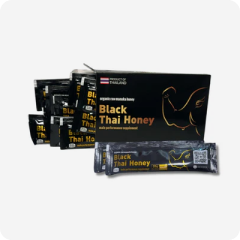
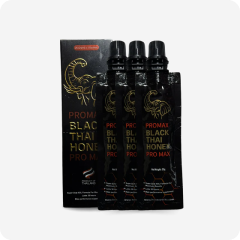
Ask ten honey pack users how many packets they take, and the answers will probably vary. Some swear by one before a big night. Others treat it as part of a weekly routine. A few admit they took two the first time because they got impatient, and regretted it.
The honest answer is that dosage isn’t complicated, but it does require a little thought. Getting it right means the product from honeypacks.com actually does what it’s supposed to do. Getting it wrong usually means one of two outcomes: nothing happens, or the experience becomes uncomfortable enough to swear off honey packs entirely.
This guide covers dosing, frequency, and the risks of honey packs that every consumer should understand before trying them.
How Many Honey Packs Should I Take?
For most honey packets, the answer is one packet per use. That single-serve format is intentional. Each packet is formulated to deliver a full dose of whatever the blend contains, so one is the standard serving on nearly every label.
New users should start with one packet and nothing more. Herbal ingredients affect people differently based on body weight, metabolism, and sensitivity, and the only way to gauge personal tolerance is to begin with the standard dose.
a) Why One Packet Is the Standard
Honey packs claim to work through a combination of quick-energy honey and concentrated herbal extracts. Most of those herbs have a ceiling effect, meaning the body stops absorbing additional benefit past a certain amount. Taking extra product mostly means extra sugar and extra strain on the digestive system.
b) Timing the Dose
Most users report the best results taking one honey pack 30 to 60 minutes before intimacy or physical activity. Taking it on a relatively empty stomach tends to speed absorption. Taking one right before bed is a common mistake, since the energizing ingredients can interfere with sleep.
How Often Can You Take Honey Packs?
Frequency matters as much as quantity. Most people who use honey packs fall into one of two patterns.
1. Occasional Use
The most common approach is one packet as needed, typically two or three times per week. Stronger formulas marketed for sexual performance are generally designed around this pattern, and most labels say so directly.
2. Daily Use
Milder blends built around honey and royal jelly are sometimes positioned as daily wellness supplements. For these, one packet per day is the norm. Many herbalists recommend cycling: four to six weeks of daily use followed by a week or two off, which helps prevent the body from building a tolerance.
Anyone unsure which pattern fits their product should default to occasional use until the label says otherwise.
Can You Take More Than One Honey Pack at a Time?
This is one of the most frequently asked questions about these products. Physically, a healthy adult can take two honey packs at once. Whether that is wise is a different matter.
Doubling the dose doubles everything: the sugar, the stimulant-like effects, and the digestive load. Users who have taken two packets at once often report headaches, jitteriness, nausea, or a racing heartbeat. There is also a more serious concern. Some unregulated supplements in this category contain hidden drug ingredients, and doubling the dose of an unknown compound is genuinely risky.
A better approach for anyone who feels one packet is not enough is to reconsider the product rather than the quantity. A quality formula at the standard dose will outperform a weak product doubled up. It is also worth knowing that some herbs build their effect gradually over days or weeks of consistent use, so patience often works better than volume.
How Honey Pack Dosage Depends on the Product
Not all honey packs are equal, and this is where dosing gets complicated. Legitimate products contain honey and listed herbal ingredients like ginseng or royal jelly. But products like honey packs sold at gas stations, convenience stores, and through informal online sellers have a documented problem with undisclosed ingredients.
1. The Hidden Drug Problem
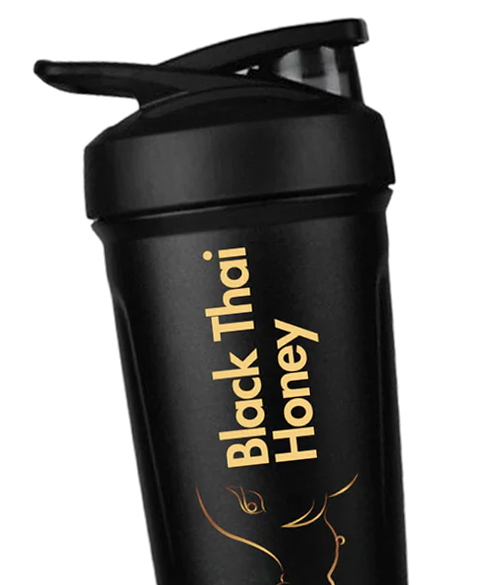
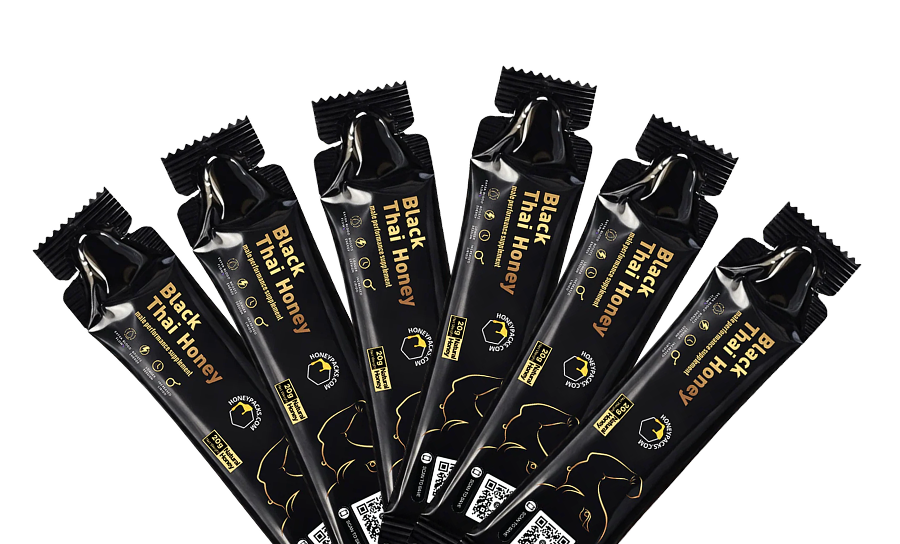
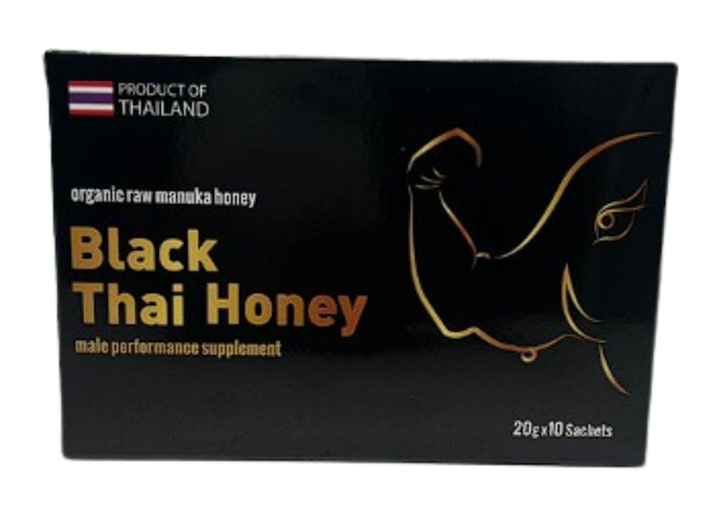
The Food and Drug Administration has issued multiple warnings about sexual enhancement products sold as “honey” that actually contain unlisted erectile dysfunction drugs. Testing has found hidden sildenafil and tadalafil, the active ingredients in Viagra and Cialis, in products including Royal Honey VIP and Black Thai Honey. These unlisted drugs do not appear anywhere on the label.
This matters enormously for dosage. A consumer cannot dose accurately without knowing what is in the packet. Hidden tadalafil can also be risky because it stays active in the body far longer than sildenafil. A person who takes one packet, feels nothing, and takes another may unknowingly double a prescription-strength erectile dysfunction drug.
2. Why Buying From a Transparent Brand Matters
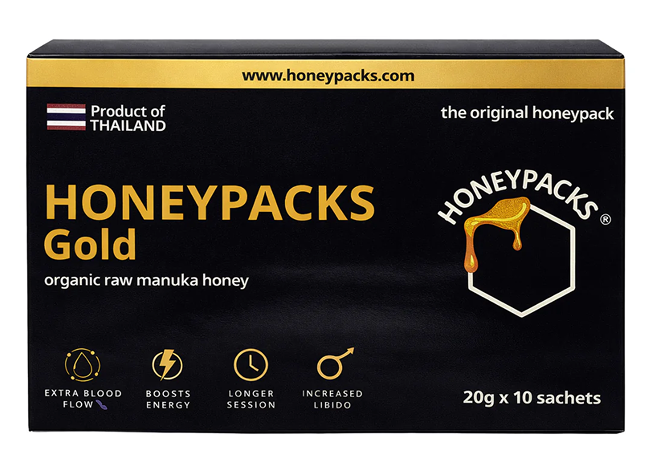
Dietary supplements in this space are not regulated by the FDA the way prescription drugs are. That gap is what allows adulterated products to reach shelves. Buying from an established brand that publishes its ingredient list, like honeypacks, is the only reliable way to know what a dose actually contains. Without that transparency, any dosage discussion is guesswork.
What Happens If You Take Too Many Honey Packs?
For a healthy adult using a legitimate product, taking too much is usually more uncomfortable than dangerous. Common effects include:
- Restlessness or trouble sleeping
- Headache
- Nausea or upset stomach
- Flushed skin and feeling overheated
- A racing heartbeat
- Blood sugar spikes from the honey itself
The calculus changes completely if the product contains a hidden drug. Sildenafil and tadalafil dilate blood vessels, and an overdose can cause a dangerous drop in blood pressure. There are documented cases of men who used adulterated honey products and developed priapism, a prolonged and painful erection lasting hours that can permanently damage erectile function without treatment.
Anyone who experiences chest pain, severe dizziness, vision changes, or an erection lasting more than four hours after taking a honey pack should seek immediate medical attention. These are warning signs, not side effects to sleep off.
Who Should Be Careful With Honey Packs?
Some groups face elevated health risks from these products and should be especially cautious, or avoid them entirely.
1. Men With Heart Conditions or High Blood Pressure
Men with high blood pressure, heart disease or chest pain, and anyone taking medications like nitrates face the greatest danger. Nitrates combined with PDE5 inhibitors like sildenafil or tadalafil can lead to serious complications, including a dangerous drop in blood pressure. Because some products contain these drugs without listing them, a man with a heart condition may be exposed without ever knowing it.
2. People on Prescription Medications
Drug interactions are a real concern even with legitimate herbal formulas. Ginseng and other common ingredients can interact with blood thinners, blood pressure medication, and diabetes medication. Honey itself raises blood sugar. Anyone with a prescription regimen should speak with a doctor before using these supplements.
3. Men With Underlying Sexual Health Concerns
A man reaching for honey packs because of ongoing difficulties with sexual function may be masking a treatable condition. Erectile dysfunction is often an early indicator of cardiovascular disease, low testosterone, or diabetes.
Over-the-counter supplements cannot address those root causes, and there is limited evidence that the listed ingredients in most honey packs produce a meaningful effect on erections. Anyone with concerns about their sexual health will get further with a doctor than with a supplement, and prescription ED drugs taken under medical guidance are both safer and more predictable than unregulated alternatives.
4. People With Liver or Kidney Disease
The liver and kidneys process everything in a supplement. Anyone with liver or kidney disease should treat concentrated herbal products cautiously and talk with a doctor first.
The Bottom Line
So how many honey packs should a person take? For legitimate, clearly labeled products, one packet per serving, taken 30 to 60 minutes before the desired effect, and no more than the label allows. Occasional use of two or three times per week suits most people and most formulas.
The bigger issue is what is actually in the packet. The honey pack trend has attracted counterfeiters and bad actors, and unregulated products with hidden drug ingredients turn a simple dosing question into a safety problem. Sticking with a transparent brand like Honeypacks, starting with a single packet, and never doubling up covers most of the risk. Men with heart conditions, anyone on nitrates or other prescriptions, and anyone with ongoing sexual health concerns should speak with a doctor before trying these products at all. No supplement is worth a trip to the emergency room.
Frequently Asked Questions
How many honey packs can a person take in one day?
Most manufacturers recommend no more than one packet per day. Exceeding that raises the risk of side effects without reliably improving results, and with unregulated products it raises the danger considerably. The label on the specific product always has the final word.
How long does a honey pack take to work?
Most users report effects within 30 to 60 minutes, with faster absorption on a relatively empty stomach. If a product produces an unusually strong or long-lasting effect on erections, that can be a warning sign of an undisclosed drug ingredient.
Are honey packs safe for men?
Keeping men safe comes down to product quality and personal health. Legitimate honey and herbal blends are generally well tolerated by healthy adults at the standard dose. Adulterated products containing hidden sildenafil or tadalafil are potentially dangerous, particularly for men with heart conditions or those taking nitrates.
What are the signs of taking too much?
Headache, nausea, restlessness, flushed skin, and a racing heartbeat are the usual effects of taking too much. Severe dizziness, chest pain, or an erection lasting more than four hours require immediate medical attention.
Should someone talk to a doctor before trying honey packs?
Anyone with a medical condition, anyone on prescription medication, and anyone with ongoing concerns about sexual function should talk with a doctor first. A brief conversation can rule out drug interactions and identify whether an underlying condition needs real treatment.