Most people buy Manuka honey because they’ve heard it’s different, but once it’s sitting in the kitchen, the next question is usually the same. How do you actually use it?
The good news is that learning how to use Manuka honey isn’t complicated. You don’t need a special routine or expensive recipes. Some people eat it by the spoonful, others stir it into warm drinks, and plenty of people even use honey on the face as part of their skin care routine. The best choice depends on why you’re using it in the first place. Whether you’re interested in the health benefits, want something to soothe a sore throat, or simply enjoy the taste, there are plenty of easy ways to make it part of your day. In this guide, we’ll look at the benefits of Manuka honey and the simplest ways to use it.
What Is Manuka Honey? What Is Special About Manuka Honey?
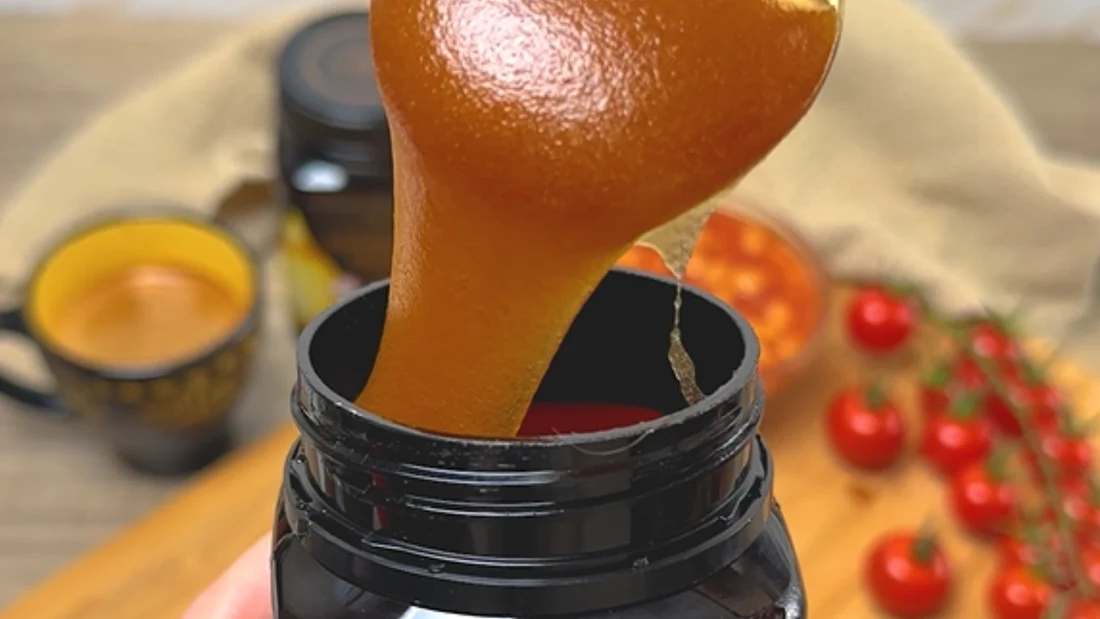
If you’ve ever looked at a shelf full of honey, you’ve probably noticed that Manuka honey usually stands out. It’s often more expensive than regular honey, and the labels are filled with numbers and letters that can seem confusing at first.
The reason is where the honey comes from. Manuka honey comes from the nectar of Manuka flowers that grow mainly in New Zealand and Australia. Bees that pollinate the Manuka bush gather this nectar, producing a honey with qualities that many other varieties don’t have. That’s one of the things that is special about Manuka honey.
Another reason people seek out genuine Manuka honey is its naturally occurring methylglyoxal, usually shortened to MGO. You’ll often see the concentration of MGO printed on the label because it helps show the strength of the honey. MGO in Manuka honey is one of the natural compounds linked to its antibacterial properties. Many brands also include the Unique Manuka Factor rating to help shoppers identify real Manuka honey from ordinary blends.
Unlike regular honey, Manuka honey is made with naturally higher levels of these active compounds. That doesn’t mean honey is a cure for every problem, but it does explain why so many people choose Manuka honey over other options. Honey isn’t just being used as a sweetener anymore. For many households, it’s become something they keep on hand all year.
Benefits of Manuka Honey
People don’t just buy Manuka honey because it tastes good. Most are looking for the health benefits of Manuka honey and the different ways it may support everyday wellness. Research is still ongoing, but what we know so far has made it one of the most popular natural foods around.
1. Relieve Coughs From Respiratory Infections
A spoonful of Manuka honey can feel surprisingly comforting when your throat is sore. Its thick texture coats the throat, which is one reason many people reach for it when they’re dealing with a cough or a sore throat.
Some studies suggest that Manuka honey may help because of its antibacterial and antiinflammatory properties. While it shouldn’t replace medicine when you need it, it can be a simple way to soothe a sore throat and make those scratchy days a little easier to get through.
2. Oral Health
Honey probably isn’t the first thing that comes to mind when you think about healthy teeth, but Manuka honey has been studied for its effects on bacteria in the mouth.
Its antibacterial properties may help reduce dental plaque and support healthier gums when it’s part of a good oral care routine. You should still brush, floss, and visit your dentist, but adding Manuka honey every day in moderation may offer a little extra support.
3. Wound Healing
One of the most well known effects of Manuka honey is its role in wound healing. In hospitals, specially prepared medical grade honey is sometimes used to treat wounds because it helps create a cleaner environment for healing.
For home use, some people enjoy applying Manuka honey to small dry areas of skin. If you’re dealing with a serious wound or an infection, however, it’s always best to follow medical advice instead of trying to treat it yourself.
4. Helps With Eczema, Dermatitis and Other Skin Conditions
Skin care is another area where Manuka honey has become popular. Applying Manuka honey directly to skin is a routine that many people use to help with dry patches or irritated areas.
Some also use honey on the face as a simple mask because Manuka honey is antibacterial and may help calm acne and other skin concerns. While everyone’s skin is different, many people find it leaves their skin feeling soft without making it feel stripped or dry.
5. Helps Digestion
Another reason people use Manuka honey is to support digestion. A teaspoon after a meal is a habit that many people have picked up because they feel it helps settle the stomach.
Research into the health benefits is still growing, but Manuka honey offers natural compounds that may help support a balanced digestive system. Like any sweet food, though, it’s still best enjoyed in moderation.
6. On Demand Energy
There are days when you just need something quick before heading out the door. That’s where raw Manuka honey fits nicely.
Because it contains natural sugars, it gives your body a quick source of fuel without much preparation. Some people eat a spoonful before a workout, while others drizzle Manuka honey over breakfast for an easy energy boost. It’s a simple habit that doesn’t take much effort, and it’s one more reason the use of Manuka honey has become so popular.
How to Use Manuka Honey
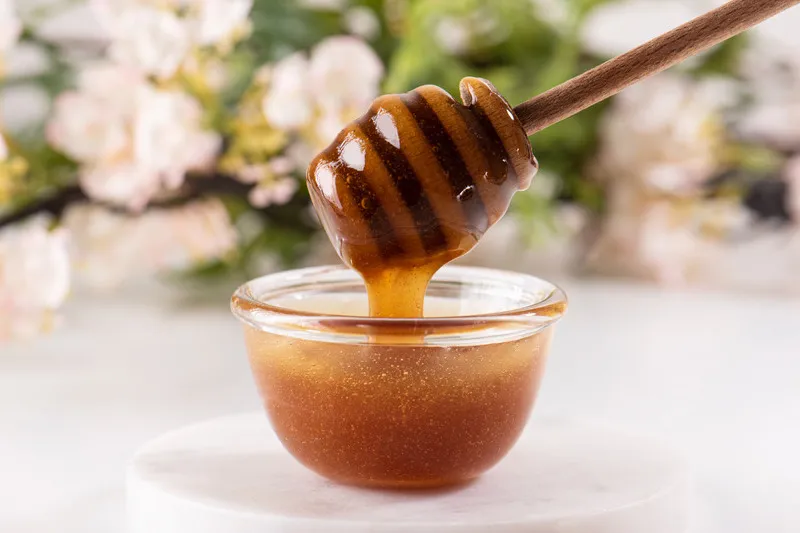
One of the best things about Manuka honey is that it doesn’t take much effort to fit it into your day. You don’t have to change your whole diet or follow a strict routine. A few simple habits are enough to enjoy the power of Manuka honey.
If you’re just getting started, try one method at a time and see what works for you. Some people enjoy it first thing in the morning, while others save it for later in the day. There isn’t one perfect answer because there are plenty of ways to use Manuka honey.
a) The Right Daily Quantity of Manuka Honey
A little goes a long way. For most healthy adults, one or two teaspoons of Manuka honey each day is enough. Some people enjoy a single teaspoon in the morning, while others split it into two servings.
Remember that honey is still a natural sweetener, so moderation matters. Daily use can be part of a balanced diet, but there’s no need to overdo it. If you have diabetes or another medical condition that affects blood sugar, it’s worth speaking with your healthcare provider before eating Manuka honey every day.
b) Sweetening Your Baked Goods or Drinks
If you’re already using sugar in coffee, oatmeal, or homemade muffins, Manuka honey can be an easy swap. It adds sweetness with a richer flavor that works well in plenty of recipes.
Keep in mind that high heat may reduce some of the compounds in Manuka honey, so many people prefer adding it after food has cooled slightly. Whether it’s stirred into yogurt or spread over toast, this is one of the easiest ways to use Manuka honey.
c) Manuka Honey Dressing
A homemade Manuka honey dressing can completely change an ordinary salad. Mix a little Manuka honey with olive oil, lemon juice, a pinch of salt, and black pepper for a dressing that’s sweet without being overpowering.
It also pairs well with mustard or apple cider vinegar if you like a little tang. Drizzle the dressing over leafy greens, grilled chicken, or roasted vegetables for an easy lunch that doesn’t feel boring.
d) Drizzle Onto Foods
Sometimes the simplest ideas are the ones you keep coming back to. Drizzle Manuka honey over oatmeal, pancakes, fresh fruit, Greek yogurt, or even peanut butter toast.
Because the flavor is richer than regular honey, you usually don’t need very much. It’s an easy way to enjoy Manuka honey without changing your normal meals.
e) Adding to Tea, Honey and Ginger Tea, or Warm Water
This is probably one of the oldest ways people use honey. Stirring Manuka honey into warm water with fresh lemon or ginger makes a comforting drink, especially when your throat feels scratchy.
If you’re making tea, let it cool for a minute before adding the honey. Very hot water isn’t ideal if you want to preserve more of Manuka honey’s natural compounds. Whether it’s honey and ginger tea or your favorite herbal blend, it’s a simple habit that many people enjoy.
f) Straight From the Jar or Manuka Honey Packs
Plenty of people skip recipes altogether and simply eat Manuka honey directly. A teaspoon straight from the jar is quick, convenient, and lets you enjoy the full flavor without mixing it into anything else.
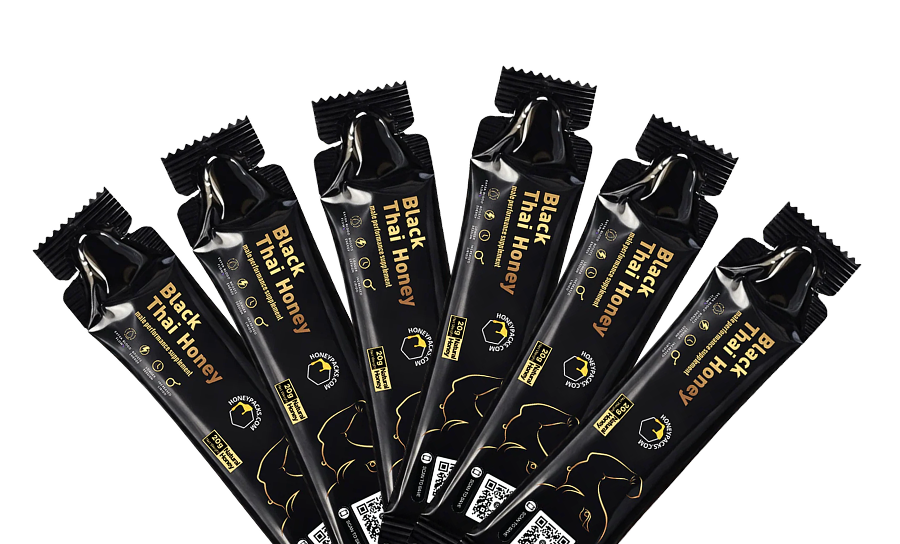
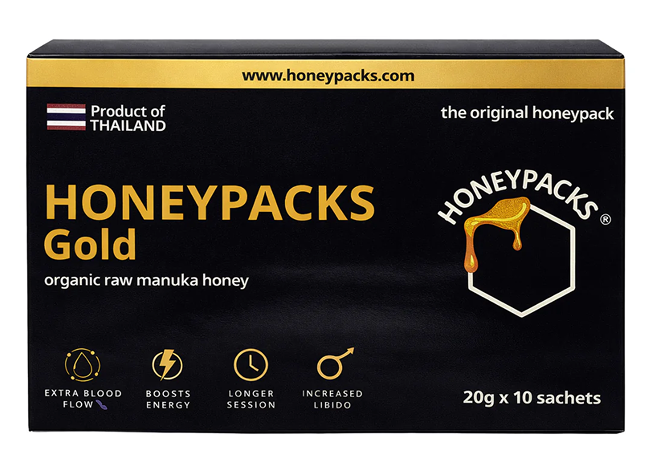
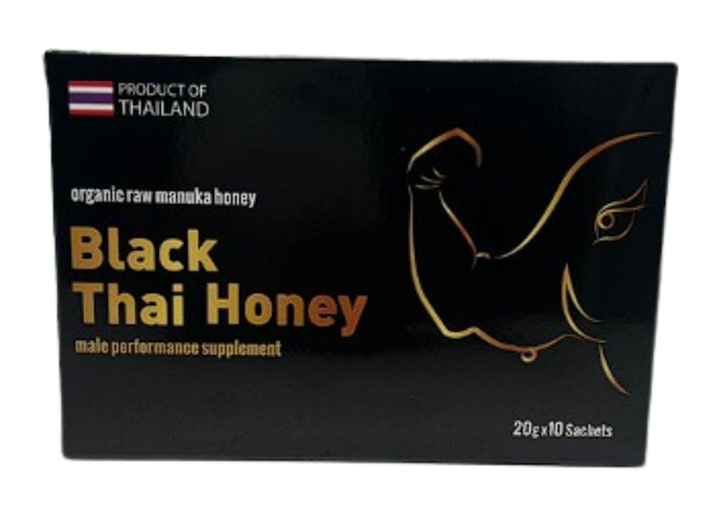
If you’re often away from home, HoneyPacks can make things even easier. Instead of carrying a glass jar, you can keep single serving packs in your gym bag, backpack, desk, or travel bag. They’re handy whenever you want Manuka honey without worrying about spills. If you’re looking for a simple option, HoneyPacks offers HoneyPacks that are easy to carry and ready whenever you need them. They’re a practical choice for anyone who wants to purchase Manuka honey in a format that’s easy to take anywhere.
Frequently Asked Questions
1. Is a teaspoon of Manuka honey every day good for you?
For most healthy adults, one teaspoon of Manuka honey every day can fit into a balanced diet. Many people enjoy it because of the health benefits of Manuka honey, including its antibacterial properties and antioxidant benefits. Just remember that it still contains natural sugar, so moderation is important.
2. What is the best way to use Manuka honey?
The best way to use Manuka honey depends on what you’re hoping to get from it. Some people enjoy it straight from the spoon, while others add it to warm drinks, drizzle Manuka honey over breakfast, or use it in homemade salad dressing. If you’re using honey on the face, always start with a small patch of skin to make sure it agrees with you.
3. Does Manuka honey lower cortisol?
At the moment, there isn’t enough strong evidence to say that Manuka honey lowers cortisol. While researchers continue studying the effects of Manuka honey, most of the known health benefits are linked to its antibacterial, antioxidant, and antiinflammatory properties rather than direct effects on stress hormones.
4. When should you not use Manuka honey?
Infants under one year old should never be given any type of honey. People with allergies to bees or honey should also avoid it unless their doctor says otherwise. If you have diabetes or another health condition that requires you to monitor your sugar intake, it’s a good idea to ask your healthcare provider how much Manuka honey is appropriate for you before making it part of your daily use.