What is manuka honey? Manuka honey has gained attention for its distinctive flavor, natural properties, and long history of use. Unlike regular honey, Manuka honey comes from bees that collect nectar from the Manuka plant, which is native to New Zealand and Australia. But what makes it different from other types of honey, and what should you know before adding it to your routine?
Choosing a quality honey product is just as important as understanding what makes Manuka honey unique. Brands like HoneyPacks offer convenient honey-based products for people looking to incorporate honey into their daily routines. In this guide, we’ll explore what Manuka honey is, where it comes from, how it differs from regular honey, what the UMF and MGO ratings mean, and what to consider when choosing a Manuka honey product.
What Is Manuka Honey?
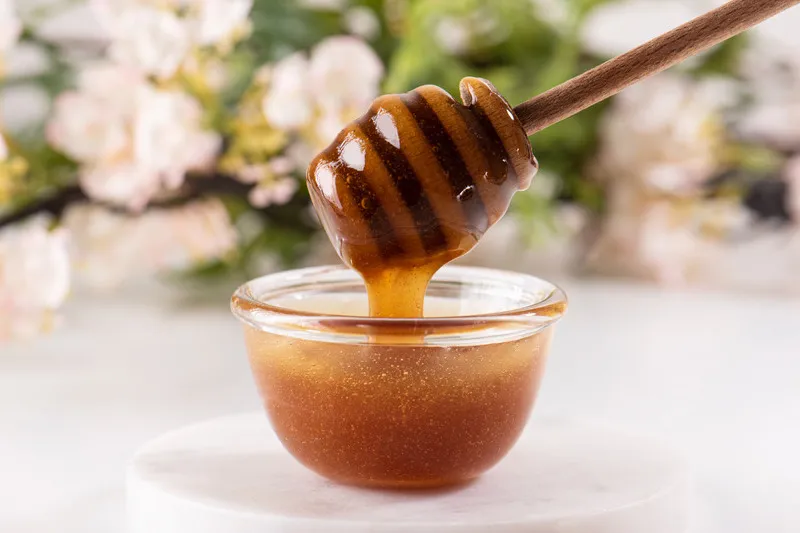
Manuka honey is a special type of honey made by bees that pollinate the manuka bush (Leptospermum scoparium), a plant native to New Zealand and parts of Australia. It looks a lot like regular honey, maybe a touch darker and thicker, but what’s inside is what sets it apart.
You see, all honey has some natural antibacterial properties thanks to hydrogen peroxide, which forms when bees make honey. But manuka honey contains an extra compound called methylglyoxal (MGO), which gives it much stronger and more stable antibacterial activity. That’s the big reason people pay a premium for it.
The manuka bush only flowers for a few weeks each year, sometimes as little as two to six weeks. That short window means bees have limited time to collect the nectar, which makes genuine manuka honey relatively rare. Scarcity plus high demand equals that eyebrow-raising price tag.
Where Does Manuka Honey Come From?
New Zealand is the spiritual home of manuka honey. The manuka bush grows wild across the country, especially in remote, rugged areas where beekeepers have to helicopter their hives in. Yes, really. Some of the best manuka honey comes from places you can only reach by air.
Australia also produces manuka honey from related Leptospermum species, though New Zealand’s version tends to dominate the market and has stricter labeling standards.
Here’s the catch: because manuka honey is valuable, fake or mislabeled products are a real problem. Some studies have suggested that more manuka honey is sold worldwide each year than is actually produced. That’s why understanding the grading systems matters so much, which brings us to the next section.
Understanding Manuka Honey Grades: UMF and MGO Explained
When you pick up a jar of manuka honey, you’ll probably see one of two rating systems on the label: UMF or MGO. They might look confusing at first, but they’re actually pretty simple once you know what they measure.
What Is UMF?
UMF stands for Unique Manuka Factor. It’s a quality trademark managed by the UMF Honey Association in New Zealand, and it measures several markers in the honey, including:
- MGO (methylglyoxal): The main antibacterial compound
- Leptosperin: A marker that confirms the honey is genuinely from manuka nectar
- DHA (dihydroxyacetone): The precursor that converts into MGO over time
- HMF (hydroxymethylfurfural): A freshness indicator
UMF ratings typically range from 5+ to 20+ and beyond. The higher the number, the more potent the honey. A UMF 10+ is generally considered the minimum for meaningful antibacterial benefits, while UMF 15+ and 20+ are premium grades.
What Is MGO?
MGO ratings are more straightforward. The number tells you exactly how many milligrams of methylglyoxal are in each kilogram of honey. So MGO 250 means 250 mg of methylglyoxal per kilogram.
Here’s a rough conversion guide to help you compare:
- UMF 5+ ≈ MGO 83+
- UMF 10+ ≈ MGO 263+
- UMF 15+ ≈ MGO 514+
- UMF 20+ ≈ MGO 829+
Which Rating Should You Trust?
Both systems are legitimate, but UMF is often seen as the gold standard because it tests for authenticity, not just potency. If a jar has a UMF rating, you can be confident it’s real, tested manuka honey from New Zealand. If you only see MGO, make sure the brand is reputable and transparent about its testing.
One red flag to watch for: jars labeled “active honey” or “manuka blend” without any UMF or MGO rating. These often contain little actual manuka content.
What Are the Benefits of Manuka Honey?
Now for the fun part: what can this honey actually do for you? While manuka honey isn’t a miracle cure, it does have some well-researched benefits that make it worth the splurge.
1. Wound Healing and Skin Care
This is where manuka honey really shines. Medical-grade manuka honey is used in hospitals and clinics to treat wounds, burns, and ulcers. Its antibacterial properties help keep wounds clean, while its thick texture creates a protective barrier that keeps the area moist for better healing.
You can also use it at home for minor skin issues. Some people dab it on small cuts, blemishes, or dry patches. Just make sure you’re using a high-grade honey (UMF 10+ or higher) for anything beyond eating.
2. Sore Throats and Coughs
Got a scratchy throat? A spoonful of manuka honey can help soothe the irritation. Research has shown honey can be as effective as some over-the-counter cough suppressants, and manuka’s extra antibacterial punch may give it an edge. Stir it into warm (not boiling) water with lemon, or just eat it straight off the spoon.
3. Digestive Support
Some people take a spoonful of manuka honey daily to support gut health. Early research suggests it may help with certain digestive issues, thanks to its antibacterial and anti-inflammatory properties. While the science is still catching up, many fans swear by their morning spoonful.
4. Oral Health
Here’s a fun twist: even though honey is sweet, manuka honey may actually help fight the bacteria linked to plaque and gum disease. Some studies have found that sucking on manuka honey lozenges can reduce harmful oral bacteria. Just don’t skip brushing your teeth.
5. A Natural Energy Boost
Like all honey, manuka is a source of natural sugars that give you quick energy. Athletes sometimes use it before workouts, and it’s a gentler sweetener option than refined sugar in your tea or oatmeal.
Does Manuka Honey Help With Men’s Stamina and Performance?
If you’re wondering whether Manuka honey can improve men’s stamina and performance, the evidence is limited. Manuka honey has not been clinically proven to directly treat erectile dysfunction, increase sexual stamina, or significantly improve male performance. However, it contains naturally occurring sugars and other compounds that may contribute to overall energy and well-being when included as part of a balanced diet.
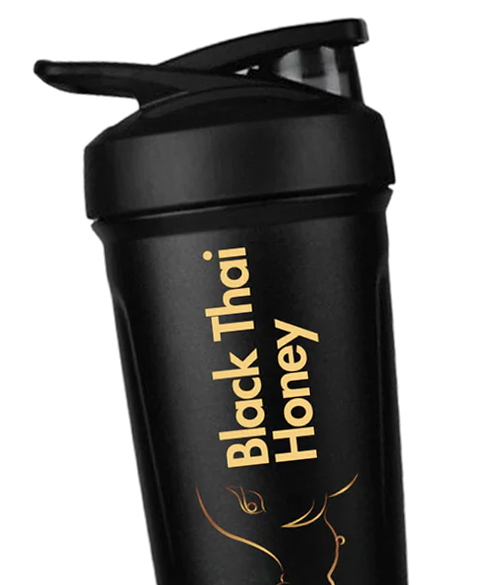
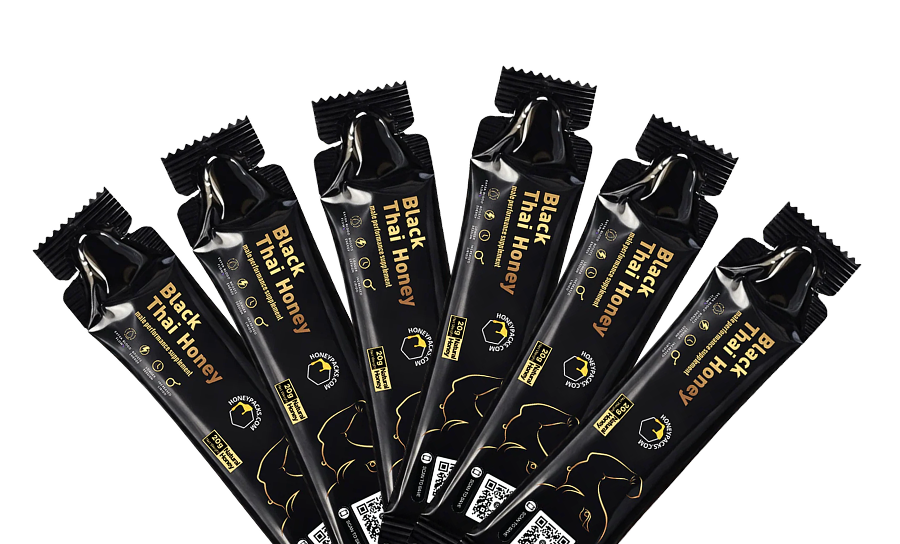
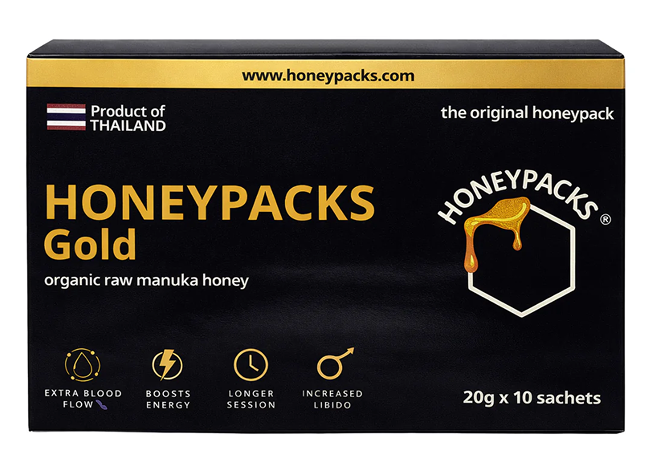
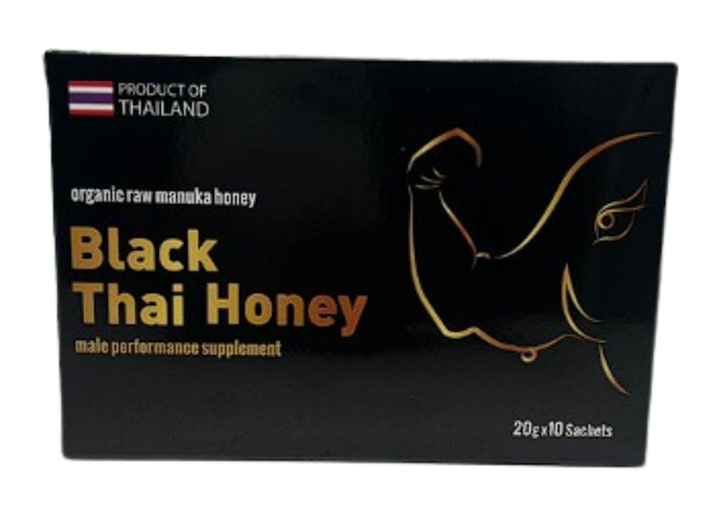
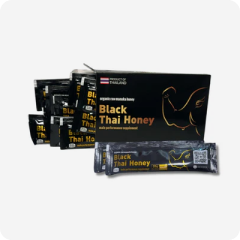
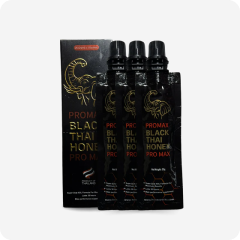
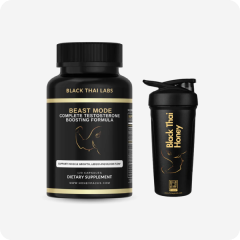
It’s also worth distinguishing Manuka honey from honey packets marketed specifically for male performance. These products may combine honey with additional ingredients intended to support energy or sexual vitality, while Manuka honey itself is simply a type of honey with its own unique nutritional and antimicrobial properties.
While Manuka honey should not be viewed as a treatment for male performance concerns, its nutritional properties may indirectly support some factors associated with energy and vitality.
That said, here are some legitimate, indirect ways manuka honey can support the things that feed into your overall vitality:
Steady, Natural Energy
Manuka honey gives you a mix of glucose and fructose, which your body absorbs at different rates. That means you get quick energy followed by a slower release, without the sharp crash you get from energy drinks or sugary snacks. If you’re dragging through afternoon workouts or long days, a spoonful can help keep your engine running.
Recovery Support
Intense training creates inflammation, and your immune system takes a hit when you push hard. Manuka honey’s antibacterial and antioxidant properties may support your body’s recovery processes, which matters more than most guys realize. Better recovery means more consistent training, and consistent training is where real stamina is built.
Better Sleep and Less Stress
Some people find that a small amount of honey before bed supports steadier blood sugar overnight, which can mean fewer wake-ups. Quality sleep is one of the biggest drivers of testosterone, energy, and overall performance. It’s not glamorous, but it works.
General Health Foundation
Here’s the honest truth: your stamina and performance are downstream of your overall health. Gut health, immune function, inflammation, sleep, and energy levels all play a role. Manuka honey supports several of those areas, which makes it a smart addition to a healthy lifestyle rather than a standalone fix.
The bottom line? Think of manuka honey as a solid supporting player, not the star of the show. Pair it with good sleep, regular exercise, and decent nutrition, and it pulls its weight. If you’re looking at honey-based products marketed specifically for male performance, check the ingredient list carefully, because the active ingredients doing the heavy lifting are usually the added herbs, not the honey itself.
How to Use Manuka Honey in Your Daily Routine
You don’t need to do anything fancy to enjoy manuka honey. Here are some easy ways to work it into your day:
- By the spoonful: The simplest method. Take one to two teaspoons a day, ideally on an empty stomach.
- Pre-workout fuel: A teaspoon 20 to 30 minutes before training gives you quick, natural carbs without the heaviness of a full meal.
- In warm drinks: Stir it into tea or warm lemon water. Avoid adding it to boiling water, as high heat can degrade some of its beneficial compounds.
- On toast or oatmeal: A delicious upgrade from regular honey or jam.
- As a face mask: Apply a thin layer to clean skin, leave for 15 to 20 minutes, and rinse. Your skin will feel soft and calm.
- In smoothies: Blend a teaspoon into your post-workout shake for sweetness with benefits.
- On minor cuts or blemishes: Dab a small amount on the spot and cover with a bandage.
One tip: if you’re paying for high-UMF honey, don’t waste it in baking. The heat will destroy many of the compounds you’re paying extra for. Use regular honey for cooking and save the good stuff for raw uses.
How to Choose the Right Manuka Honey
Standing in front of a wall of manuka honey jars can feel overwhelming. Here’s a simple framework to help you decide.
1. Match the Grade to Your Goal
- Everyday eating and general wellness: UMF 5+ to 10+ (MGO 83+ to 263+) is plenty.
- Immune support, energy, and sore throats: UMF 10+ to 15+ is a good sweet spot.
- Skin care and wound support: Go for UMF 15+ or higher for maximum antibacterial activity.
2. Check for Authenticity
Look for a UMF trademark or a clearly stated MGO rating from a reputable brand. Genuine New Zealand manuka honey should also state its origin on the label. If the price seems too good to be true, it probably is.
3. Consider the Format
Jars are classic, but honey packs and single-serve sachets are handy if you’re traveling, heading to the gym, or just want a mess-free spoonful on the go. They’re also great for portion control if you find yourself going back for “just one more” spoonful a little too often.
How Does Manuka Honey Compare to Regular Honey?
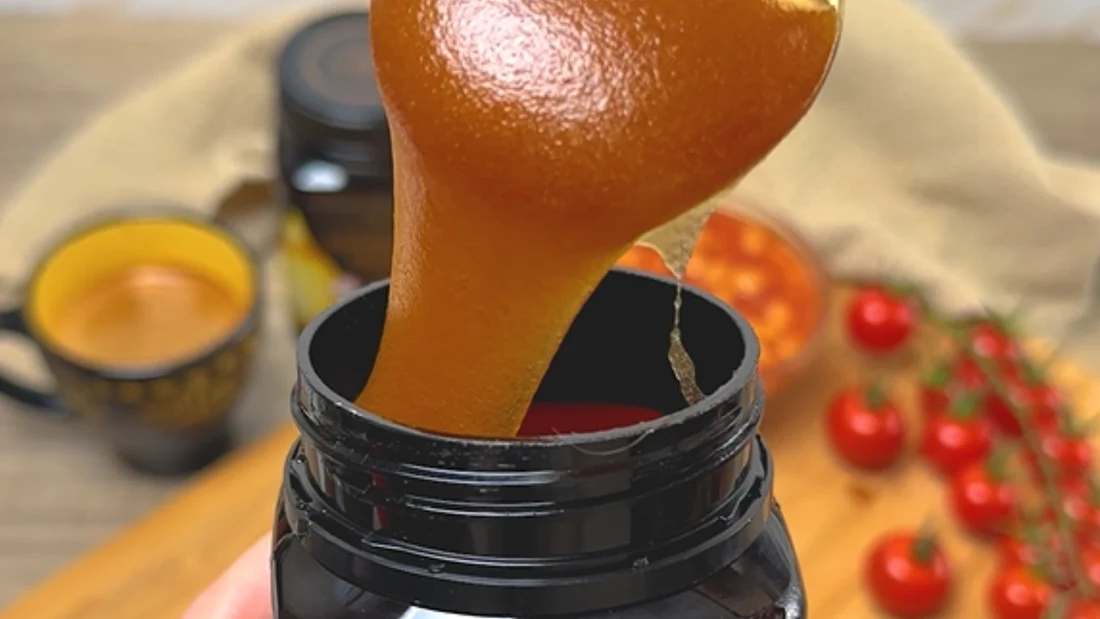
You might be wondering whether manuka honey is really worth the extra cost compared to the honey bear in your pantry. Here’s an honest breakdown.
Regular honey is still good for you. It has antioxidants, soothes sore throats, and works well as a natural sweetener. If you just want something tasty for your tea or toast, everyday honey does the job beautifully.
Manuka honey earns its premium when you want stronger antibacterial activity. Its MGO content stays stable over time and isn’t destroyed by heat or light the way hydrogen peroxide in regular honey can be. That makes it the better choice for therapeutic uses like wound care, skin treatments, or targeted immune support.
Think of it this way: regular honey is your reliable everyday car, while manuka honey is the high-performance model you bring out when you need something extra.
How to Store Manuka Honey
Good news: honey basically never expires. Archaeologists have found pots of edible honey in ancient Egyptian tombs, so your jar is safe for a long, long time.
Store your manuka honey at room temperature in a cool, dark place like a pantry. There’s no need to refrigerate it; in fact, the fridge can speed up crystallization. If your honey does crystallize (turn grainy or solid), that’s completely normal and doesn’t mean it’s gone bad. Just place the jar in warm water for a few minutes to soften it back up.
Keep the lid tightly sealed, and always use a clean, dry spoon to avoid introducing moisture or bacteria into the jar.
Conclusion
So, what is manuka honey? It’s a rare, potent honey from New Zealand’s manuka bush, packed with a unique antibacterial compound called MGO that regular honey simply doesn’t have. Whether you’re soothing a sore throat, supporting your digestion, fueling your workouts, or treating your skin, manuka honey has something real to offer.
Just keep your expectations honest. It’s a genuinely useful health food, not a magic bullet for performance. Buy smart by checking for a UMF or MGO rating, match the grade to your needs, and store it properly. Do that, and you’ll get every bit of value out of this golden goodness. Ready to give it a try? Your taste buds (and your throat) will thank you.
Frequently Asked Questions
Does manuka honey increase stamina or male performance?
Not directly, no. There’s no solid clinical evidence that manuka honey alone boosts male performance or works as an enhancement product. What it can do is support the foundations of stamina: steady natural energy from its glucose-fructose mix, better recovery through its antioxidant and antibacterial properties, and improved general health. If a honey product claims dramatic performance results, look at the full ingredient list, because added herbs are usually responsible for any such effects.
Is manuka honey worth the price?
It depends on what you’re using it for. If you want a sweetener for baking, regular honey is fine. But if you’re after genuine antibacterial benefits for your throat, skin, or immune system, a certified UMF 10+ or higher manuka honey is worth the investment. A little goes a long way, so one jar can last weeks or even months.
Can you eat manuka honey every day?
Yes, most people can enjoy one to two teaspoons daily without any issues. Just remember that honey is still sugar, so factor it into your overall intake. If you have diabetes or blood sugar concerns, check with your doctor first. And never give honey of any kind to babies under 12 months old due to the risk of infant botulism.
Why is my manuka honey crystallized? Has it gone bad?
Not at all. Crystallization is a natural process that happens to real honey, especially varieties with higher glucose content. It’s actually a sign your honey is raw and unprocessed. To return it to liquid form, place the jar in a bowl of warm water and stir gently.
What’s the difference between UMF and MGO on the label?
UMF is a broader quality certification from New Zealand that tests for multiple markers, including authenticity and potency. MGO is a simpler measurement of one specific compound: methylglyoxal content. Both are legitimate, but UMF gives you extra assurance that you’re getting genuine manuka honey. When in doubt, look for the UMF trademark.